
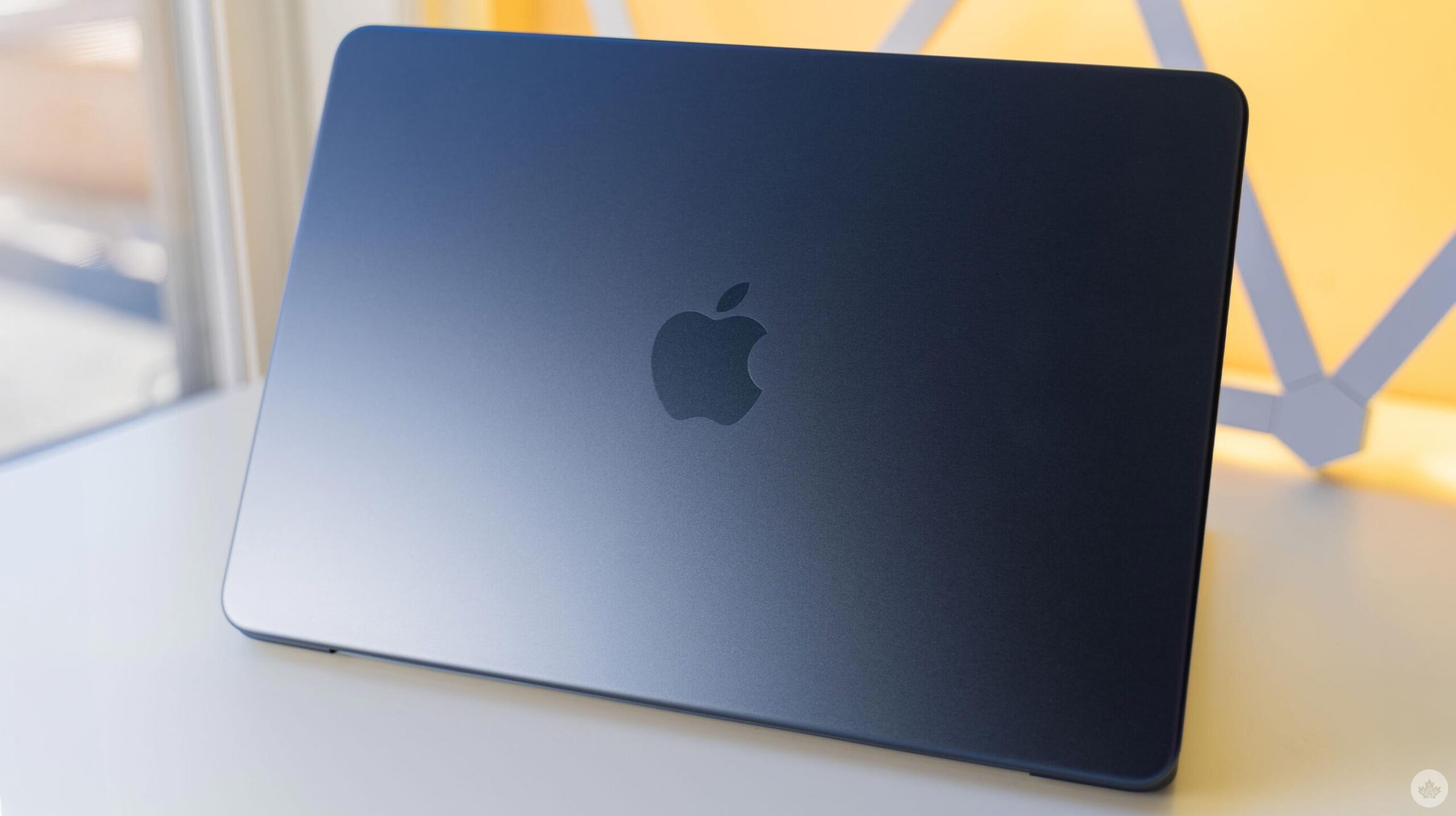
In a significant development for the tablet and computer market, Apple has announced a new revision to its iPad lineup, specifically introducing the 11-inch and 12.9-inch iPad Pro models, which feature the latest M2 chip. This update not only emphasizes Apple’s commitment to delivering cutting-edge performance in tablet computing, but it also solidifies the iPad Pro as a formidable competitor in the broader category of laptop and desktop computing devices.
Overview
The new iPad Pro models were unveiled as part of Apple’s strategy to enhance productivity and creativity capabilities in mobile computing. The integration of the M2 chip, which boasts a next-generation 8-core CPU and a 10-core GPU, is expected to deliver up to 15 percent faster performance and up to 35 percent faster graphics performance compared to the previous generation. This announcement emphasizes Apple’s focus on high-performance computing in sleek and portable form factors.
Specifications and Features
The new iPad Pro models come equipped with Liquid Retina and Liquid Retina XDR displays, offering a breathtaking visual experience. The 11-inch model features a Liquid Retina display while the larger 12.9-inch model incorporates the more advanced Liquid Retina XDR technology, enhancing brightness and contrast ratios. Both models support ProMotion technology, which allows for an adaptive refresh rate of up to 120Hz, making for smoother scrolling and improved responsiveness.
In terms of memory configurations, users have options ranging from 8GB to 16GB of RAM, depending on storage capacity, which can go up to an impressive 2TB. This variation in RAM and storage ensures users can tailor their devices according to their specific requirements, whether for graphic design, video editing, or professional multitasking.
Performance and Hardware
Central to the iPad Pro’s performance is the M2 chip. This powerful processor is designed to handle demanding tasks and offers significant energy efficiency, balancing performance with battery life. Users can expect up to 10 hours of usage on a single charge, which is particularly beneficial for creatives and professionals who may rely on their devices for extended periods without access to a power source.
The M2 chip also includes enhancements for machine learning and neural processing, allowing applications that utilize these technologies to execute tasks more rapidly. This improvement is particularly evident in apps designed for image and video editing, where large files and complex rendering tasks can now be completed with greater speed and efficiency.
Design and Display
From a design perspective, both the 11-inch and 12.9-inch iPad Pro maintain the sleek aesthetics that Apple’s tablets are known for. The aluminum chassis contributes to a high-end feel while remaining lightweight and portable. The bezels have been minimized to maximize screen space without compromising on the device’s ease of use.
The versatile design supports the Apple Pencil (2nd generation) and the Magic Keyboard, making the iPad Pro a dual-purpose device capable of both entertainment and professional use. The addition of a front-facing 12MP Ultra Wide camera also supports Apple’s Center Stage feature, enhancing video calls by dynamically positioning the camera as users move around the frame.
Pricing and Availability
The new iPad Pro models are set to start at $799 for the 11-inch version and $1,099 for the 12.9-inch version, reflecting Apple’s premium pricing strategy that aligns with the high-end specifications and advanced features offered. Pre-orders began shortly after the announcement, with availability expected across various retail platforms, including Apple’s own website and authorized resellers.
As tablets continue to erode the boundaries between traditional laptops and mobile devices, the updated iPad Pro models signify a robust push from Apple to position its tablets not just as alternatives, but as powerful tools for professional and creative workloads. With the M2 chip at the helm, Apple aims to redefine what users can expect from a tablet in 2023 and beyond.
